
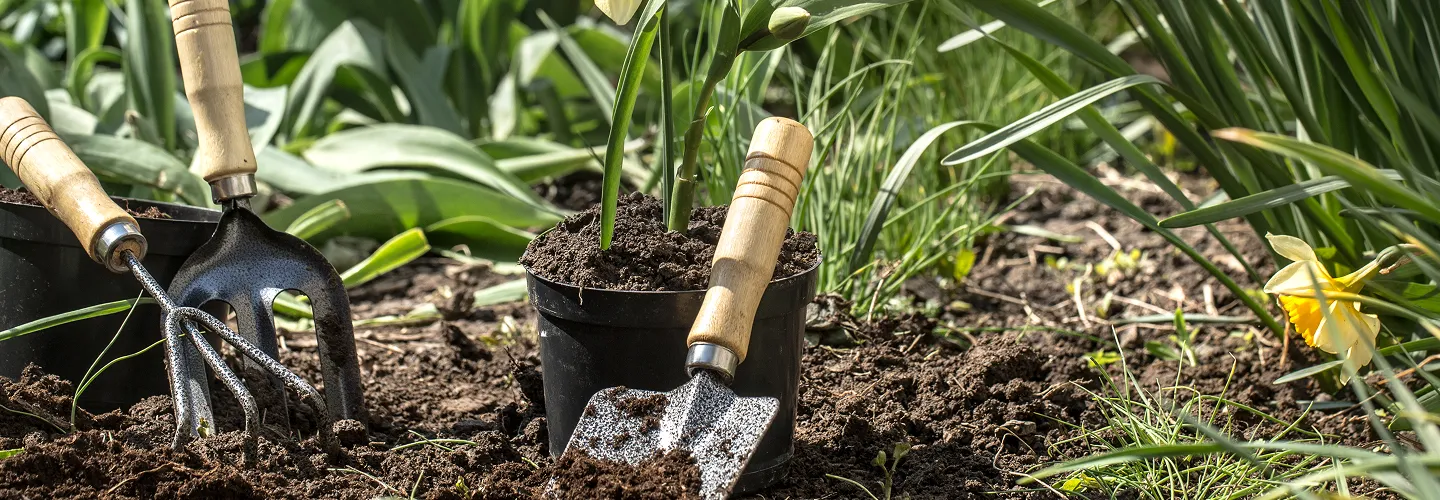
Granite Shoals Weed Control Services
Choose our weed control services for proven results, expert care, and a commitment to keeping your Granite Shoals property beautiful and weed-free all season long.
Get a Free QuoteOur Granite Shoals Landscaping & Yard Care Services
When to Schedule Weed Control in Granite Shoals, Texas – Seasonal Guide
In Granite Shoals, Texas, the timing of weed control is crucial for maintaining healthy, attractive landscapes throughout the year. The region’s climate features hot, dry summers and mild winters, with the last frost typically occurring in early March and the first frost arriving in late November. This means the optimal windows for weed control are early spring—just after the last frost—and late fall, before winter dormancy sets in. Neighborhoods near Lake LBJ and the Bluebriar Park area often experience unique microclimates, with increased humidity and shade coverage from mature oaks and pecans, which can influence weed growth patterns.
Local environmental factors such as drought risk, sandy or rocky soils, and periodic heavy rains all play a role in determining the best time for weed management. For example, properties along Phillips Ranch Road may require earlier intervention due to higher sun exposure and faster soil drainage. Additionally, municipal guidelines and seasonal restrictions—available through resources like the City of Sudbury’s website—should be reviewed to ensure compliance with local regulations.
Local Factors to Consider for Weed Control in Granite Shoals
- Tree density and shade coverage, especially in neighborhoods like Bluebriar Park
- Soil type (sandy, rocky, or clay-heavy soils)
- Annual precipitation patterns and drought risk
- Proximity to water features such as Lake LBJ
- Terrain slope and drainage characteristics
- Local municipal restrictions or seasonal guidelines
Benefits of Weed Control in Granite Shoals
Enhanced Curb Appeal
Healthier Lawns and Gardens
Reduced Maintenance Time
Eco-Friendly Weed Solutions
Prevention of Invasive Species
Increased Property Value
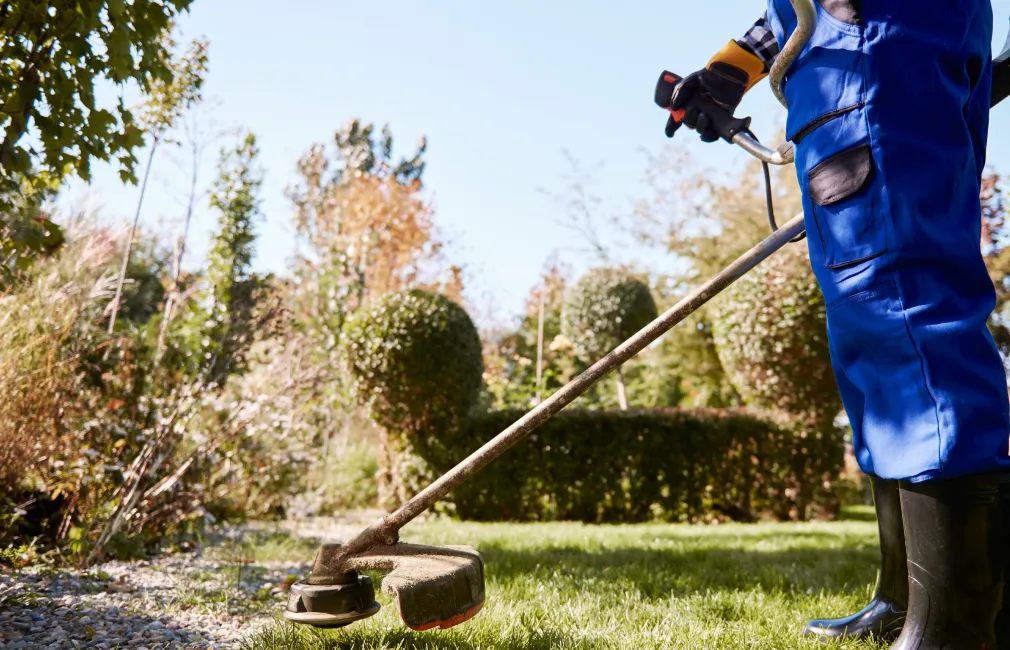
Granite Shoals Weed Control Types

Pre-Emergent Weed Control
-
Post-Emergent Weed Control
-
Manual Weed Removal
-
Organic Weed Control Solutions
-
Selective Herbicide Application
-
Non-Selective Herbicide Application
-
Mulching for Weed Suppression
Our Weed Control Process
Site Evaluation
Weed Identification
Treatment Application
Follow-Up Inspection
Why Choose Granite Shoals Landscape Services
Granite Shoals Homeowners Trust Us
-
Local Expertise
-
Reliable Lawn Maintenance
-
Competitive Pricing
-
Professional Team
-
Satisfaction Guarantee
-
Personalized Service
-
Prompt Response Times
Managing Weed Control in Granite Shoals’s Blackland Prairie and Sandy Loam Soils
Weed control in Granite Shoals requires careful consideration of the city’s predominant soil types, including Houston Black clay and sandy loam soils as identified by the USDA Web Soil Survey. These soils exhibit moderate to poor drainage and pH levels ranging from 6.5 to 7.8, which can influence both weed proliferation and herbicide effectiveness. For optimal results, pre-emergent herbicides should be applied at a depth of 0.25-0.5 inches in early spring (March 1-15) when soil temperatures reach 55°F. Soil testing is recommended every 2-3 years, with amendments such as lime or sulfur applied based on pH results. Residents can access soil testing and management guidance through Texas A&M AgriLife Extension. Incorporating 2-3 inches of compost tilled to a 6-inch depth improves soil structure and weed resistance.
Granite Shoals Weed Control Ordinances and Equipment Operation Standards
Granite Shoals enforces specific municipal codes for weed control and equipment operation to maintain public safety and neighborhood standards. According to city ordinance, all properties must keep grass and weeds below 12 inches in height. Equipment operation is permitted during the following hours:
- Monday-Friday: 7:00 AM - 7:00 PM
- Saturday: 8:00 AM - 6:00 PM
- Sunday and holidays: Prohibited
Violations may result in fines starting at $50 per occurrence. All operators must use commercial-grade equipment with functioning mufflers, and maintain a 15-foot buffer from public roadways during application. For enforcement and compliance details:
Granite Shoals Code Enforcement
2221 N. Phillips Ranch Road, Granite Shoals, TX 78654
Phone: (830) 598-2424
Official Website: Granite Shoals Code Enforcement
Environmental Compliance: Protecting Lake LBJ and Wetlands During Weed Control
Granite Shoals’s proximity to Lake LBJ and several wetland areas necessitates strict adherence to environmental regulations during weed control activities. The Texas Water Code and Clean Water Act prohibit the application of herbicides within 50 feet of water bodies and require a 25-foot no-disturbance buffer from wetlands. The city’s MS4 permit, regulated by the Texas Commission on Environmental Quality, prohibits yard waste and chemical runoff into storm drains. Best practices include:
- Use only EPA-registered herbicides
- Avoid application before forecasted rain (check National Weather Service Austin/San Antonio)
- Collect and dispose of clippings in biodegradable bags
- Maintain buffer zones as specified
For further guidance:
Granite Shoals Water Treatment & Production
2221 N. Phillips Ranch Road, Granite Shoals, TX 78654
Phone: (830) 598-2424
Official Website: Granite Shoals Water Treatment & Production
Seasonal Timing and Integrated Weed Management for Granite Shoals’s Climate Zone 8b
Granite Shoals is located in USDA Hardiness Zone 8b, with average annual minimum temperatures of 15-20°F and a growing season from mid-March through late November. Effective weed control requires precise timing:
- Pre-emergent herbicides: March 1-15 and September 1-15
- Post-emergent treatments: April 15 - June 1, and again September 15 - October 31
- Mechanical removal: As needed, especially after rainfall events
Monitor soil temperatures using National Weather Service data. Integrated weed management combines chemical, mechanical, and cultural methods, such as overseeding with Bermuda grass (Cynodon dactylon) or buffalo grass (Bouteloua dactyloides) to outcompete weeds. For detailed timing and species recommendations, consult Texas A&M AgriLife Extension.
What Neighborhoods Do We Serve Throughout Granite Shoals, TX?
- Bluebriar: Features sandy loam soils with moderate drainage, requiring frequent monitoring for invasive annual weeds and careful buffer maintenance near Lake LBJ.
- Green Acres: Characterized by mature tree cover and compacted clay soils, which can harbor perennial broadleaf weeds and require aeration for effective control.
- Castle Hills: Newer development with mixed soil fill and variable pH, presenting challenges for uniform herbicide application and runoff management.
- Sherwood Shores: Proximity to wetlands and flood-prone areas necessitates strict adherence to buffer regulations and use of biodegradable disposal methods.
- Granite Cove: Large lots with open exposure, subject to wind-driven weed seed dispersal and requiring regular mowing to comply with city height ordinances.
- Lakewood Forest III: Dense residential layout with narrow access points, making mechanical weed removal and equipment operation timing critical for compliance.
- Highland Haven: Adjacent to conservation areas, requiring special attention to native species protection and minimal chemical use.