
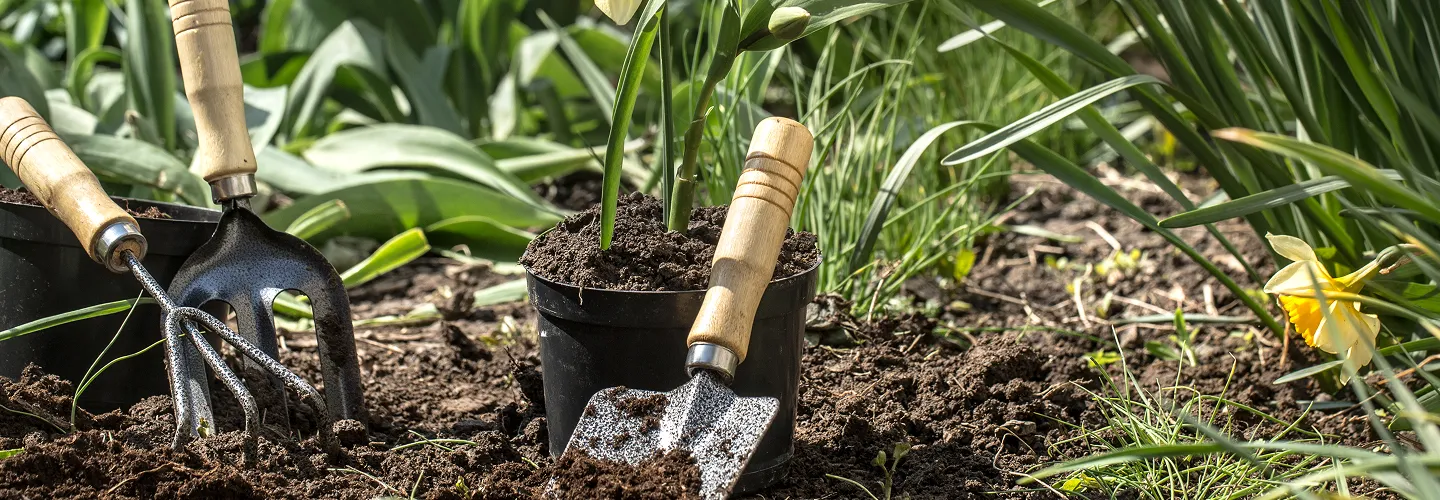
Granite Shoals Lawn Seeding Services
Choose our professional lawn seeding services for a thicker, greener yard—our experienced team uses premium seed blends and proven techniques to ensure lasting results and vibrant growth.
Get a Free QuoteOur Granite Shoals Landscaping & Yard Care Services
When to Schedule Lawn Seeding in Granite Shoals, Texas – Seasonal Guide
In Granite Shoals, Texas, timing your lawn seeding is crucial for achieving a lush, healthy yard that thrives in our unique Hill Country environment. The best periods for seeding are typically early fall and late spring, when soil temperatures are warm enough to encourage germination but not so hot as to stress young grass. Local neighborhoods near Lake LBJ and the Bluebriar Park area often experience microclimates, so it’s important to consider your property’s specific conditions. Factors such as the last frost date—usually in early March—and the onset of summer droughts play a significant role in determining the optimal seeding window. Granite Shoals’ sandy-loam soils, combined with variable shade from mature oaks and pecans, can affect both seed selection and timing. Homeowners should also be aware of municipal watering restrictions, which can impact seed establishment. For more information on local guidelines, visit the official city resource.
Local Factors to Consider for Lawn Seeding in Granite Shoals
- Tree density and shade coverage, especially in neighborhoods like Sherwood Shores
- Soil type (sandy-loam is common, but check for rocky patches)
- Average precipitation and risk of drought during late spring and summer
- Frost dates and temperature swings in early spring and late fall
- Terrain slope, which can affect water runoff and seed retention
- Municipal watering restrictions and seasonal ordinances
Benefits of Lawn Seeding in Granite Shoals
Thicker, Healthier Lawns
Improved Curb Appeal
Weed and Pest Resistance
Customized Seed Blends
Expert Local Knowledge
Cost-Effective Lawn Solutions

Granite Shoals Lawn Seeding Types

Bermuda Grass Seeding
Bermuda grass is ideal for sunny areas and provides a durable, lush lawn.
-
Zoysia Grass Seeding
Zoysia grass offers excellent drought tolerance and a dense, carpet-like appearance.
-
Fescue Grass Seeding
Fescue grass thrives in cooler climates and is known for its shade tolerance.
-
Buffalo Grass Seeding
Buffalo grass is a low-maintenance, native option well-suited for Texas landscapes.
-
Ryegrass Seeding
Ryegrass is commonly used for overseeding and provides quick, vibrant green coverage.
-
Centipede Grass Seeding
Centipede grass is a slow-growing, low-maintenance choice for warm climates.
Our Lawn Seeding Process
Site Evaluation
Soil Preparation
Seed Selection
Seeding Application
Watering and Maintenance
Why Choose Granite Shoals Landscape Services
Granite Shoals Homeowners Trust Us
-
Local Expertise
-
Reliable Lawn Maintenance
-
Competitive Pricing
-
Professional Team
-
Satisfaction Guarantee
-
Personalized Service
-
Prompt Response Times
Soil Series and Drainage Considerations for Lawn Seeding in Granite Shoals
Granite Shoals is characterized by soils such as the Brackett-Rock outcrop complex and Tarrant soils, which are shallow, rocky, and moderately alkaline (pH 7.2-8.0). These soils often exhibit rapid drainage and low organic matter, requiring specific amendments for successful lawn seeding. Incorporate 2-3 inches of compost tilled to a 6-inch depth to improve water retention and nutrient availability. Soil testing through Texas A&M AgriLife Extension is recommended (typical cost: $15-25) to determine pH and nutrient needs. For areas with excessive rock, consider topdressing with sandy loam. Avoid seeding on slopes greater than 15% without erosion control measures.
Granite Shoals Building & Development
2221 N. Phillips Ranch Road, Granite Shoals, TX 78654
Phone: (830) 598-2424
Official Website: Granite Shoals Building & Development
provides guidance on soil disturbance and grading permits for large-scale seeding projects.
Optimal Seeding Windows and Climate Factors in Granite Shoals
Granite Shoals falls within USDA Hardiness Zone 8b, with average annual minimum temperatures of 15-20°F. The optimal seeding periods for cool-season grasses are September 1–October 15 (soil temperature 65-75°F) and for warm-season grasses, April 1–May 15 (soil temperature 65°F+). Avoid seeding during June-August due to high heat and drought stress. Monitor local forecasts through the National Weather Service Austin/San Antonio Office for rainfall and temperature trends. Key timing guidelines:
- Cool-season seeding: September 1–October 15
- Warm-season seeding: April 1–May 15
- Avoid: June–August (heat/drought)
- Irrigate newly seeded areas daily until germination, then reduce frequency
Municipal Coordination: Lawn Seeding Ordinances and Right-of-Way Regulations
Lawn seeding activities in Granite Shoals must comply with city ordinances regarding right-of-way work, noise, and property maintenance. Equipment operation is permitted:
- Monday–Friday: 7:00 AM–7:00 PM
- Saturday: 8:00 AM–6:00 PM
- Sunday and holidays: Prohibited Permits are required for any grading or soil disturbance exceeding 5,000 sq ft, with a typical review period of 5–10 business days and a $50–$75 application fee. Seeding within 10 feet of public right-of-way requires notification to the city. All debris must be contained and not allowed to enter storm drains.
Granite Shoals Code Enforcement
2221 N. Phillips Ranch Road, Granite Shoals, TX 78654
Phone: (830) 598-2424
Official Website: Granite Shoals Code Enforcement
enforces compliance with these requirements.
Environmental Compliance: Stormwater, Buffer Zones, and State Regulations
Lawn seeding in Granite Shoals must adhere to Texas Water Code and Clean Water Act requirements. The city’s MS4 permit prohibits discharge of soil, seed, or fertilizer into storm drains. Maintain a 25-foot no-disturbance buffer from Lake LBJ and all mapped wetlands. Fertilizer application is restricted within 50 feet of water bodies. Use erosion control blankets on slopes and silt fencing near drainageways. For projects near sensitive areas, coordinate with the city and state agencies:
Texas Commission on Environmental Quality
12100 Park 35 Circle, Austin, TX 78753
Phone: (512) 239-1000
Official Website: Texas Commission on Environmental Quality
Professional Standards and Safety Protocols for Lawn Seeding in Granite Shoals
All lawn seeding operations must follow ANSI and OSHA safety standards. Required personal protective equipment includes:
- Eye protection: ANSI Z87.1 safety glasses
- Hearing protection: Earmuffs or plugs for 85+ dB noise
- Footwear: Steel-toed boots, non-slip soles
- Gloves: Chemical-resistant for fertilizer handling Equipment must be commercial-grade, with seeders calibrated for local soil conditions. Maintain a 15-foot clearance from overhead utilities. Operators must be trained in spill prevention and proper chemical storage. For work in public parks or near city infrastructure, coordinate with:
Granite Shoals Parks Department
2221 N. Phillips Ranch Road, Granite Shoals, TX 78654
Phone: (830) 598-1700
Official Website: Granite Shoals Parks Department
What Neighborhoods Do We Serve Throughout Granite Shoals, TX?
- Bluebriar: Features shallow, rocky soils with rapid drainage, requiring compost amendment and frequent irrigation for successful seed establishment.
- Green Acres: Larger lots with moderate slopes and mature trees; shade-tolerant grass varieties and erosion control are often necessary.
- Castle Hills: Dense residential development with compacted soils and limited topsoil, making soil aeration and organic matter incorporation critical.
- Sherwood Shores: Proximity to Lake LBJ and mapped wetlands necessitates strict buffer compliance and use of low-phosphorus fertilizers.
- Highland Haven: Newer subdivisions with improved grading but potential for runoff; stormwater management and silt fencing are recommended during seeding.
- Granite Cove: Properties near conservation areas require adherence to city and state environmental regulations, including no-disturbance zones and native grass selection.
- Valley View: Sloped lots with rocky outcrops and limited access; specialized equipment and erosion control blankets are often required.