
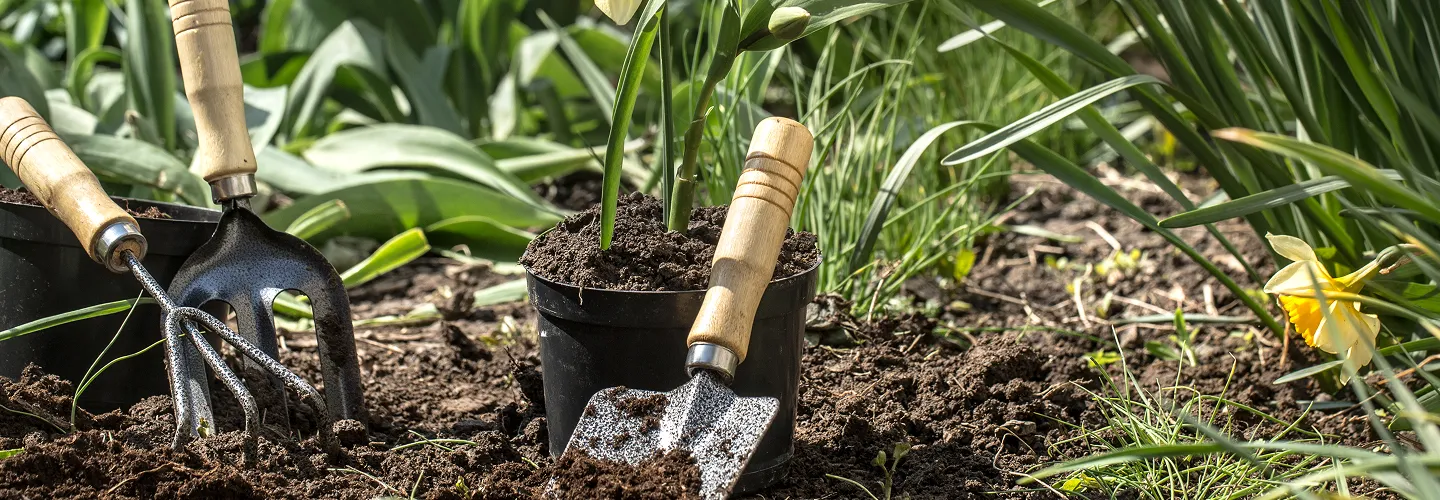
Granite Shoals Lawn Renovation Services
Choose our Lawn Renovation services for a lush, healthy yard—our experienced team uses proven techniques and premium materials to restore your lawn’s beauty and resilience, ensuring long-lasting results you’ll love.
Get a Free QuoteOur Granite Shoals Landscaping & Yard Care Services
When to Schedule Lawn Renovation in Granite Shoals, Texas – Seasonal Guide
In Granite Shoals, Texas, timing your lawn renovation is crucial for achieving a lush, resilient yard that thrives in our unique Hill Country environment. The best periods for lawn renovation are typically early spring and early fall, when temperatures are moderate and rainfall is more predictable. These windows allow new grass seed or sod to establish strong roots before the intense summer heat or occasional winter frosts set in. Neighborhoods near Lake LBJ and the Bluebriar Park area often experience microclimates influenced by proximity to water and shade from mature oaks, which can affect renovation timing.
Local factors such as soil composition—often rocky with patches of sandy loam—require careful preparation to ensure successful results. Humidity levels, drought risk, and municipal watering restrictions also play a role in planning. For example, after the last expected frost in March, homeowners in the Granite Shoals City Center or near Quarry Park can take advantage of milder weather and increased soil moisture. For more information on local environmental guidelines, visit the Sudbury municipal resource.
Local Factors to Consider for Lawn Renovation in Granite Shoals
- Tree density and shade coverage, especially from live oaks and pecans
- Terrain variations, including slopes and rocky outcrops
- Seasonal precipitation patterns and drought risk
- Soil type and drainage characteristics
- Municipal watering schedules and restrictions
- Proximity to landmarks like Lake LBJ, which can influence humidity and microclimate
Benefits of Lawn Renovation in Granite Shoals

Enhanced Curb Appeal
Improved Soil Health
Weed and Pest Reduction
Increased Property Value
Thicker, Greener Lawns
Customized Landscaping Solutions
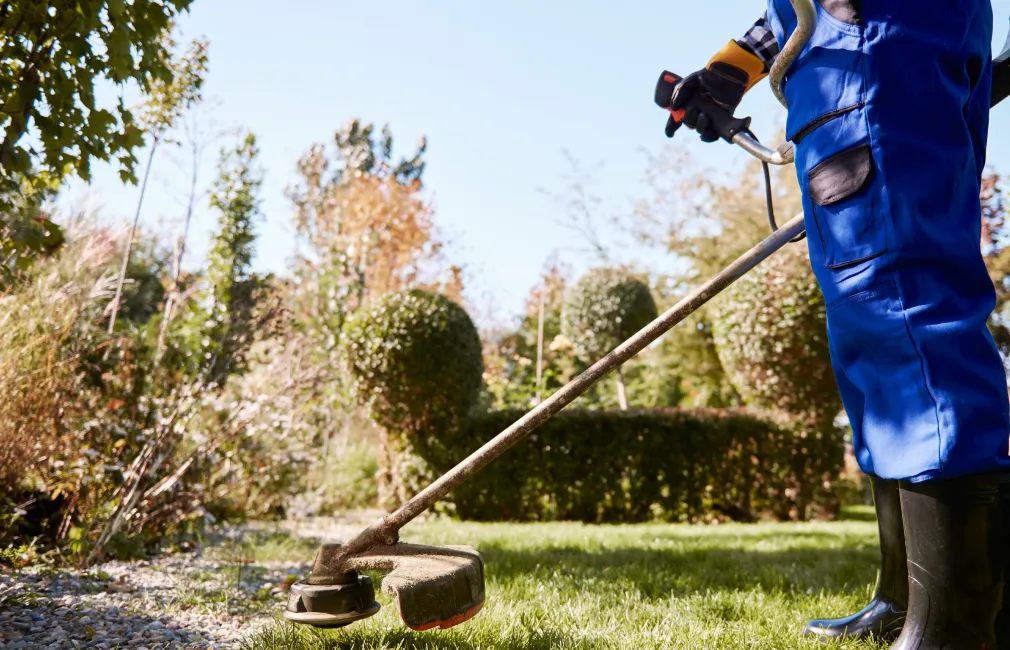
Granite Shoals Lawn Renovation Types

Sod Installation
-
Hydroseeding
-
Aeration and Overseeding
-
Soil Amendment
-
Weed and Pest Control
-
Dethatching
-
Irrigation System Upgrades
Our Lawn Renovation Process
Site Evaluation
Soil Preparation
Seeding or Sodding
Watering and Fertilization
Ongoing Maintenance
Why Choose Granite Shoals Landscape Services
Granite Shoals Homeowners Trust Us
-
Local Expertise
-
Reliable Lawn Maintenance
-
Competitive Pricing
-
Professional Team
-
Satisfaction Guarantee
-
Personalized Service
-
Prompt Response Times
Soil Series and Drainage Considerations for Lawn Renovation in Granite Shoals
Lawn renovation in Granite Shoals requires careful assessment of local soil conditions, which are predominantly Vertisols and Mollisols according to the USDA Web Soil Survey. These soils are characterized by high clay content, moderate to poor drainage, and a pH range typically between 7.0 and 8.0. Core aeration to a depth of 2-3 inches is recommended to alleviate compaction and improve water infiltration. Soil amendments such as compost (2-3 inches tilled to 6-inch depth) and lime application for pH below 6.5 are standard practices. Soil testing is available through the Texas A&M AgriLife Extension for a typical fee of $15-25. Proper soil management is essential to ensure successful turf establishment and compliance with city landscaping standards.
Equipment Operation Hours and Noise Ordinance Compliance in Granite Shoals
Granite Shoals enforces specific equipment operation hours for lawn renovation activities to minimize noise disturbances. Permitted hours are:
- Monday-Friday: 7:00 AM - 7:00 PM
- Saturday: 8:00 AM - 6:00 PM
- Sunday and holidays: Prohibited All commercial-grade equipment must be maintained with functional mufflers, and noise levels should not exceed 85 decibels at property lines. Operators are required to wear ANSI Z87.1 safety glasses, hearing protection for equipment over 85 dB, and steel-toed boots. For projects near public roads, advance warning signage and a 15-foot clearance from power lines are mandatory. Ordinance enforcement is managed by the city’s code enforcement division.
Granite Shoals Code Enforcement
2221 N. Phillips Ranch Road, Granite Shoals, TX 78654
Phone: (830) 598-2424
Official Website: Granite Shoals Code Enforcement
Stormwater Management and Environmental Compliance for Lawn Renovation
Lawn renovation projects in Granite Shoals must comply with local and federal stormwater regulations, including the Clean Water Act and the city’s MS4 permit requirements. It is prohibited to allow grass clippings, soil, or fertilizers to enter storm drains. Maintain a 25-foot no-disturbance buffer from wetlands and a 50-foot setback from Lake LBJ and other water bodies. Fertilizer application is restricted within these buffer zones. The Texas Commission on Environmental Quality (TCEQ) oversees state-level compliance, while the city’s water department provides local guidance.
Granite Shoals Water Treatment & Production
2221 N. Phillips Ranch Road, Granite Shoals, TX 78654
Phone: (830) 598-2424
Official Website: Granite Shoals Water Treatment & Production
Texas Commission on Environmental Quality (TCEQ)
12100 Park 35 Circle, Austin, TX 78753
Phone: (512) 239-1000
Official Website: Texas Commission on Environmental Quality
Optimal Timing and Climate Considerations for Granite Shoals Lawn Renovation
Granite Shoals is located in USDA Hardiness Zone 8b, with average annual minimum temperatures of 15-20°F. The optimal window for lawn renovation, including seeding and aeration, is from September 1 to October 15, when soil temperatures range from 65°F to 75°F. Spring renovation is also possible from March 15 to April 30, provided soil temperatures exceed 55°F. Avoid renovation during June-August due to heat stress and drought risk. For weather-specific planning, consult the National Weather Service Austin/San Antonio Office. Frequency of core aeration should be every 2-3 years for clay soils. Monitor rainfall and irrigation to prevent runoff during renovation activities.
Navigating Permits and Zoning for Lawn Renovation Projects in Granite Shoals
Certain lawn renovation activities, such as major grading, retaining wall installation, or work within 50 feet of wetlands, require permits from the city’s building and development department. Permit fees typically range from $25 to $75, with a review period of 5-10 business days. All work must comply with city zoning codes, including setbacks and height restrictions for landscape features. For properties in conservation or floodplain areas, additional review by the planning and zoning commission may be required. Always verify permit requirements before commencing work to avoid violations and delays.
Granite Shoals Building & Development
2221 N. Phillips Ranch Road, Granite Shoals, TX 78654
Phone: (830) 598-2424
Official Website: Granite Shoals Building & Development
Granite Shoals Planning and Zoning Commission
2221 N. Phillips Ranch Road, Granite Shoals, TX 78654
Phone: (830) 598-2424
Official Website: Granite Shoals Planning and Zoning Commission
What Neighborhoods Do We Serve Throughout Granite Shoals, TX?
- Bluebriar: Features mature tree cover and heavy clay soils, requiring frequent aeration and careful drainage management during renovation.
- Green Acres: Characterized by larger lots and proximity to Lake LBJ, necessitating strict buffer compliance and runoff controls to protect water quality.
- Sherwood Shores: Includes a mix of older homes and new development, with variable soil compaction and occasional slope challenges affecting renovation techniques.
- Castle Hills: Known for rocky subsoils and shallow topsoil layers, requiring specialized equipment for effective turf renovation and soil amendment.
- Highland Haven: Located near conservation areas, this neighborhood has additional restrictions on fertilizer use and mandates native species for replanting.
- Granite Cove: Features narrow streets and limited equipment access, making debris collection and renovation logistics more complex.
- Clear Cove: Situated in a floodplain, this area requires enhanced erosion control measures and compliance with city floodplain management ordinances.