
Granite Shoals Lawn Mowing Services
Choose our lawn mowing service for reliable, professional results that keep your yard looking its best all season long—enjoy more free time while we handle the hard work with precision and care.
Get a Free QuoteOur Granite Shoals Landscaping & Yard Care Services
When to Schedule Lawn Mowing in Granite Shoals, Texas – Seasonal Guide
In Granite Shoals, Texas, the timing of your lawn mowing routine is shaped by our unique Hill Country climate and the specific needs of neighborhoods like Bluebriar, Sherwood Shores, and the areas surrounding Lake LBJ. The growing season typically begins in early March, after the last frost, and extends through late October. During this period, warm temperatures and moderate rainfall encourage rapid grass growth, making regular mowing essential for a healthy, attractive lawn.
Local environmental factors play a significant role in determining the best mowing schedule. For example, shaded lots near Granite Shoals City Park may require less frequent mowing due to slower grass growth, while properties with sandy or rocky soil—common in the Highland Lakes region—may need special attention to avoid scalping. Drought risk is another consideration, especially during the hot, dry months of July and August, when it's important to adjust mowing height and frequency to protect your turf. For more information on local weather patterns and municipal guidelines, visit the official city resource.
Local Factors to Consider for Lawn Mowing in Granite Shoals
- Tree density and shade coverage (affects grass growth rate)
- Soil type (sandy, rocky, or clay soils impact mowing height)
- Terrain and slope (uneven ground may require specialized equipment)
- Seasonal precipitation and drought risk
- Proximity to Lake LBJ and humidity levels
- Municipal restrictions or watering schedules
Benefits of Lawn Mowing in Granite Shoals
Consistent Curb Appeal
Healthier Grass Growth
Weed and Pest Reduction
Time and Effort Savings
Professional Equipment Use
Reliable Local Service
Granite Shoals Lawn Mowing Types

Standard Lawn Mowing
-
Mulching Mower Service
-
Bagging and Clipping Removal
-
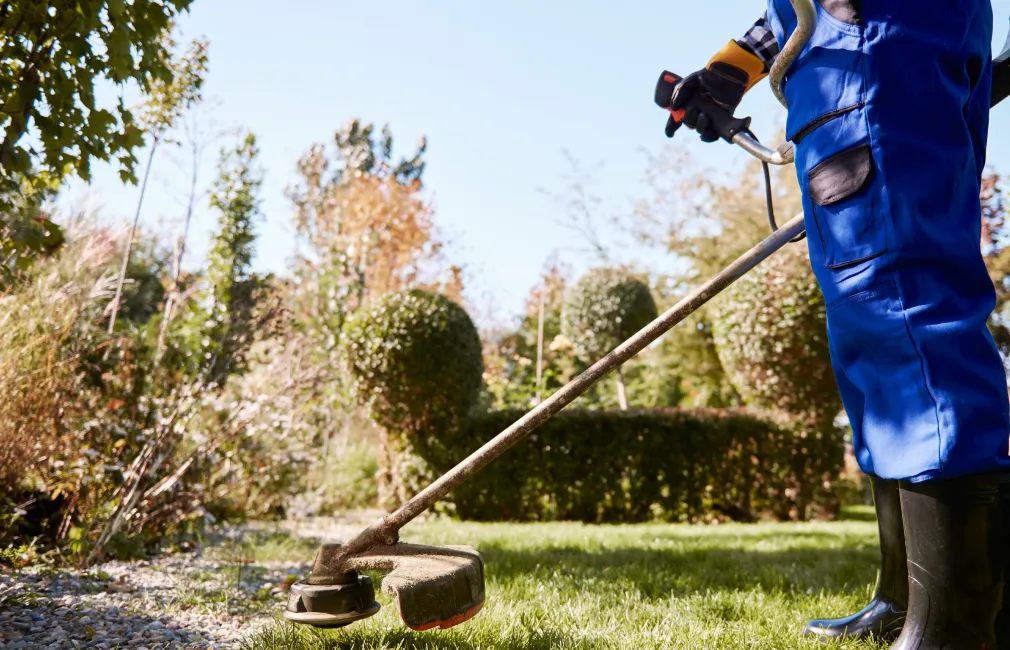
Edging and Trimming
-
Seasonal Clean-Up Mowing
-
Commercial Property Mowing
-
Custom Height Mowing
Our Lawn Mowing Process
Site Evaluation
Lawn Preparation
Mowing Execution
Edging and Trimming
Cleanup
Why Choose Granite Shoals Landscape Services
Granite Shoals Homeowners Trust Us
-
Local Expertise
-
Reliable Lawn Maintenance
-
Competitive Pricing
-
Professional Team
-
Satisfaction Guarantee
-
Personalized Service
-
Prompt Response Times
Granite Shoals’s Blackland Prairie Soils: Mowing Practices for Heavy Clay and Drainage
Granite Shoals is characterized by Vertisols and Mollisols, notably the Houston Black clay series, which are expansive, alkaline soils with pH typically ranging from 7.5 to 8.2. These soils are prone to compaction and poor drainage, especially after heavy rainfall. For optimal turf health, mowing should be performed when soils are firm to avoid rutting and compaction. Core aeration to a depth of 2-3 inches is recommended every 2-3 years to alleviate compaction. Mower blades should be set at 2.5-3 inches for common Bermuda grass (Cynodon dactylon), the predominant turf species. Soil testing through Texas A&M AgriLife Extension is advised to determine amendment needs.
- Core aeration: 2-3 inches depth, every 2-3 years
- Mowing height: 2.5-3 inches for Bermuda grass
- Avoid mowing when soil is saturated
- Soil pH: 7.5-8.2 (alkaline)
Equipment Operation Hours and Noise Ordinance Compliance in Granite Shoals
Lawn mowing in Granite Shoals is regulated under municipal noise ordinances to ensure community well-being. Equipment operation is permitted during the following hours:
- Monday-Friday: 7:00 AM - 7:00 PM
- Saturday: 8:00 AM - 6:00 PM
- Sunday and holidays: Prohibited All commercial mowers must maintain mufflers in working condition, with noise levels not exceeding 85 decibels at property lines. Operators are required to wear ANSI Z87.1 safety glasses and hearing protection for equipment producing noise above 85 dB. Violations may result in fines enforced by city code officers. For clarification on local ordinances and enforcement procedures:
Granite Shoals Code Enforcement
2221 N. Phillips Ranch Road, Granite Shoals, TX 78654
Phone: (830) 598-2424
Official Website: Granite Shoals Code Enforcement
Stormwater Protection and Clipping Disposal Near Lake LBJ and Wetlands
Granite Shoals borders Lake LBJ and contains several wetland areas, making stormwater protection a priority. The city’s MS4 permit, regulated under the Clean Water Act and Texas Water Code, prohibits grass clippings and yard debris from entering storm drains or water bodies. Maintain a 25-foot no-disturbance buffer from wetlands and a 50-foot setback from the lake shoreline when mowing. Clippings must be collected and disposed of in biodegradable bags or 32-gallon bins for Thursday curbside pickup (April-November). Plastic bags and branches over 4 inches in diameter are not accepted. For further guidance on stormwater compliance:
Granite Shoals Streets Department
2221 N. Phillips Ranch Road, Granite Shoals, TX 78654
Phone: (830) 598-1700
Official Website: Granite Shoals Streets Department
Texas Commission on Environmental Quality (TCEQ)
12100 Park 35 Circle, Austin, TX 78753
Phone: (512) 239-1000
Official Website: Texas Commission on Environmental Quality
Seasonal Mowing Timing and Weather Considerations for Granite Shoals Lawns
Granite Shoals lies within USDA Hardiness Zone 8b, with average annual minimum temperatures of 15-20°F. The growing season typically extends from mid-March through early November. Mowing should commence when soil temperatures reach 55°F (usually mid-March) and continue until grass growth slows in late October. Avoid mowing during peak summer heat (June-August) when turf is stressed. Monitor local weather forecasts through the National Weather Service Austin/San Antonio Office to avoid mowing before heavy rainfall, which can cause soil compaction and rutting.
- Spring mowing: Begin mid-March (soil temp 55°F)
- Summer: Reduce frequency during drought or heat stress
- Fall: Continue until late October
- Avoid mowing wet soils after storms
What Neighborhoods Do We Serve Throughout Granite Shoals, TX?
- Bluebriar: Features mature tree cover and heavy clay soils, requiring careful mowing to prevent compaction and manage leaf debris, especially near drainage ditches.
- Castle Hills: Characterized by sloped lots and proximity to Lake LBJ, necessitating strict buffer compliance and careful clipping management to protect water quality.
- Green Acres: Contains newer developments with compacted fill soils and smaller lot sizes, making regular aeration and precise mowing height adjustments essential.
- Sherwood Shores: Located near wetlands and flood-prone areas, requiring adherence to 25-foot wetland buffers and special attention to stormwater runoff during mowing.
- Granite Cove: Features large lots with mixed Bermuda and St. Augustine turf, often requiring multiple mowing passes and blade height adjustments for optimal turf health.
- Webb Isle: Includes waterfront properties with sandy loam soils and HOA restrictions on mowing hours and debris disposal, demanding strict compliance with local ordinances.
- Highland Haven: Noted for its proximity to conservation areas and wildlife corridors, requiring careful scheduling to avoid disturbance during sensitive periods and compliance with city noise ordinances.