
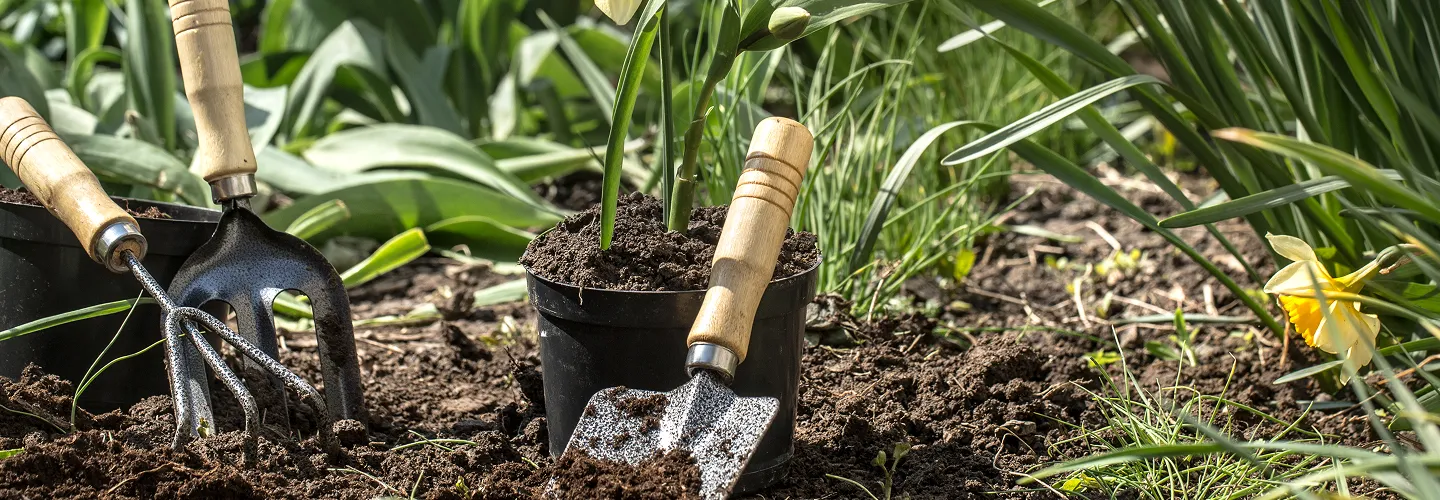
Granite Shoals Plant Removal Services
Choose our plant removal experts for safe, thorough, and eco-friendly solutions that restore your landscape’s beauty and health—no job is too big or small for our experienced team.
Get a Free QuoteOur Granite Shoals Landscaping & Yard Care Services
When to Schedule Plant Removal in Granite Shoals, Texas – Seasonal Guide
In Granite Shoals, Texas, the best time to schedule plant removal is typically during the late fall through early spring. This period takes advantage of cooler temperatures and reduced plant activity, making it easier to remove unwanted vegetation with minimal regrowth. The local climate, characterized by hot summers and mild winters, means that scheduling removal before the intense summer heat helps protect your landscape and ensures safer working conditions. Neighborhoods near Lake LBJ and the Bluebriar Park area often experience unique microclimates, with increased humidity and shade coverage influencing the timing and approach to plant removal.
Local environmental factors such as the region’s average last frost date in early March, the risk of summer drought, and the prevalence of rocky, well-drained soils all play a role in determining the optimal removal window. Homeowners should also consider municipal guidelines and seasonal precipitation patterns, which can impact both accessibility and the effectiveness of removal efforts. For more information on local regulations and best practices, visit the Granite Shoals city resources.
Local Factors to Consider for Plant Removal in Granite Shoals
- Tree density and proximity to structures
- Terrain type (rocky hillsides, lakeside properties)
- Seasonal precipitation and drought risk
- Shade coverage from mature oaks and pecans
- Soil composition and drainage
- Municipal restrictions or permit requirements
Benefits of Plant Removal in Granite Shoals
Expert Landscaping Team
Efficient Plant Removal
Eco-Friendly Disposal Methods
Improved Curb Appeal
Customized Landscaping Solutions
Competitive Local Pricing
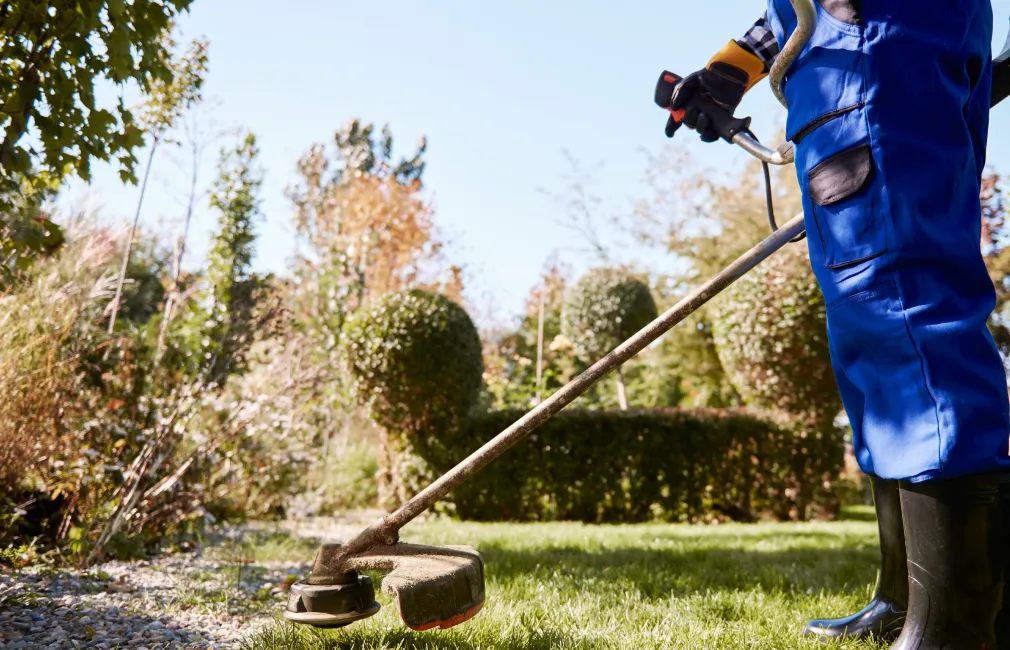
Granite Shoals Plant Removal Types

Invasive Species Removal
-
Tree and Shrub Extraction
-
Stump Grinding and Removal
-
Weed Control Services
-
Overgrown Vegetation Clearing
-
Root System Removal
-
Seasonal Plant Cleanup
Our Plant Removal Process
Site Evaluation
Preparation and Safety Measures
Plant Extraction
Debris Removal
Site Restoration
Why Choose Granite Shoals Landscape Services
Granite Shoals Homeowners Trust Us
-
Local Expertise
-
Reliable Lawn Maintenance
-
Competitive Pricing
-
Professional Team
-
Satisfaction Guarantee
-
Personalized Service
-
Prompt Response Times
Plant Removal Ordinances and Permit Requirements in Granite Shoals
Plant removal activities in Granite Shoals are governed by city ordinances designed to protect public safety, maintain neighborhood standards, and preserve local ecosystems. Removal of trees with a diameter at breast height (DBH) greater than 6 inches requires a permit from the city, with an application fee typically ranging from $25 to $75 and a review period of 5-10 business days. All plant debris must be disposed of according to city guidelines, which prohibit burning within city limits and require use of biodegradable bags or 32-gallon containers for curbside collection. Equipment operation is permitted during the following hours:
- Monday-Friday: 7:00 AM - 7:00 PM
- Saturday: 8:00 AM - 6:00 PM
- Sunday and holidays: Prohibited
Permit applications and ordinance details are managed by the Building & Development Department.
Granite Shoals Building & Development
2221 N. Phillips Ranch Road, Granite Shoals, TX 78654
Phone: (830) 598-2424
Official Website: Granite Shoals Building & Development
Soil Series and Site Conditions Affecting Plant Removal in Granite Shoals
Granite Shoals is characterized by soils such as the Brackett-Rock outcrop complex and Tarrant soils, which are shallow, well-drained, and often overlay limestone bedrock. These soils typically have a pH range of 7.2-8.0, making them alkaline and prone to compaction, especially in developed areas. Removal of deep-rooted plants may require mechanical extraction to a depth of 18-24 inches to ensure complete root removal and prevent regrowth. Soil testing is recommended prior to replanting or restoration, with tests available through Texas A&M AgriLife Extension. For best results, incorporate 2-3 inches of compost tilled to a 6-inch depth after removal to improve soil structure and fertility. Consult the USDA Web Soil Survey for detailed local soil maps and site-specific recommendations.
Environmental Compliance: Wetland Buffers and Stormwater Protection in Granite Shoals
Plant removal near Lake LBJ, city creeks, or designated wetlands in Granite Shoals must comply with federal and state environmental regulations, including the Clean Water Act and Texas Water Code. A 25-foot no-disturbance buffer is required from the edge of wetlands and water bodies, and all debris must be kept out of storm drains to comply with the city’s MS4 permit under the Texas Commission on Environmental Quality. Prohibited practices include dumping plant material in drainage ditches or within 50 feet of water bodies. For guidance on buffer zones and compliance, contact the Code Enforcement office.
Granite Shoals Code Enforcement
2221 N. Phillips Ranch Road, Granite Shoals, TX 78654
Phone: (830) 598-2424
Official Website: Granite Shoals Code Enforcement
Seasonal Timing and Weather Considerations for Plant Removal in Granite Shoals
The optimal timing for plant removal in Granite Shoals is influenced by the city’s USDA Hardiness Zone 8b climate and local weather patterns. The best windows for removal are:
- Late fall (November-December): After leaf drop, before soil hardens
- Early spring (February-March): Before new growth and nesting season
Avoid removal during peak summer (June-August) when soil temperatures exceed 85°F, increasing risk of soil compaction and heat stress for workers. Monitor local weather forecasts through the National Weather Service Austin/San Antonio Office to avoid operations during heavy rain events, which can cause erosion and site instability. For large-scale projects, coordinate with the Parks Department for scheduling in public spaces.
Granite Shoals Parks Department
2221 N. Phillips Ranch Road, Granite Shoals, TX 78654
Phone: (830) 598-1700
Official Website: Granite Shoals Parks Department
Safety Protocols and Equipment Standards for Plant Removal in Granite Shoals
All plant removal operations in Granite Shoals must adhere to city safety standards and equipment regulations. Operators are required to use:
- Eye protection: ANSI Z87.1 safety glasses
- Hearing protection: Earmuffs or plugs for equipment over 85 dB
- Footwear: Steel-toed boots with non-slip soles
- Gloves: Cut-resistant for pruning, chemical-resistant for herbicide use
Maintain a 15-foot clearance from overhead power lines and a 25-foot buffer from public roadways during removal. Equipment such as chainsaws and chippers must be commercial-grade and inspected every 25 hours of operation. For work in public rights-of-way, advance warning signs must be placed 200 feet from the work zone. The Streets Department provides guidance on traffic control and right-of-way safety.
Granite Shoals Streets Department
2221 N. Phillips Ranch Road, Granite Shoals, TX 78654
Phone: (830) 598-1700
Official Website: Granite Shoals Streets Department
What Neighborhoods Do We Serve Throughout Granite Shoals, TX?
- Bluebriar: Features mature oak stands and shallow, rocky soils requiring specialized root extraction and careful debris management due to proximity to Lake LBJ.
- Green Acres: Characterized by larger lots and moderate tree density, with alkaline soils and occasional drainage challenges affecting removal logistics.
- Castle Hills: Contains sloped lots and denser vegetation, necessitating erosion control measures and compliance with hillside setback ordinances.
- Sherwood Shores: Located near protected wetlands, requiring strict adherence to 25-foot buffer zones and heightened stormwater protection protocols.
- Highland Haven: Includes newer developments with compacted fill soils and underground utilities, demanding careful equipment operation and utility marking.
- Granite Cove: Proximity to city parks and recreational areas means coordination with the Parks Department and compliance with public space restoration standards.
- Clear Cove: Features floodplain areas and periodic high water, requiring seasonal timing adjustments and additional debris containment measures.